Discover the rich array of attractions available in Manchester through our detailed guide.
From historical sites to exhilarating entertainment, experience the varied opportunities that contribute to the city’s distinct character.
Engage with renowned museums, green spaces, and vibrant events, designed to appeal to all interests. Organize your trip to Manchester and experience the heart of this lively metropolis using our insights. Whether you are passionate about history, art, or looking for enjoyable activities with family, our guide is tailored to provide a fulfilling and remarkable experience to every traveler. Uncover, navigate, and fully engage with the finest offerings of Manchester’s attractions.
The museum features The Picnic (1908), a piece created by the British Impressionist artist Wynford Dewhurst, who was born in Manchester. The collection includes 16 works by Annie Swynnerton, who hails from Hulme, alongside 17 paintings by her contemporary from the Manchester School of Art, Susan Dacre.
In addition to paintings, the museum possesses collections of glass, silverware, and furniture, which encompasses four items crafted by the Victorian architect and designer William Burges.
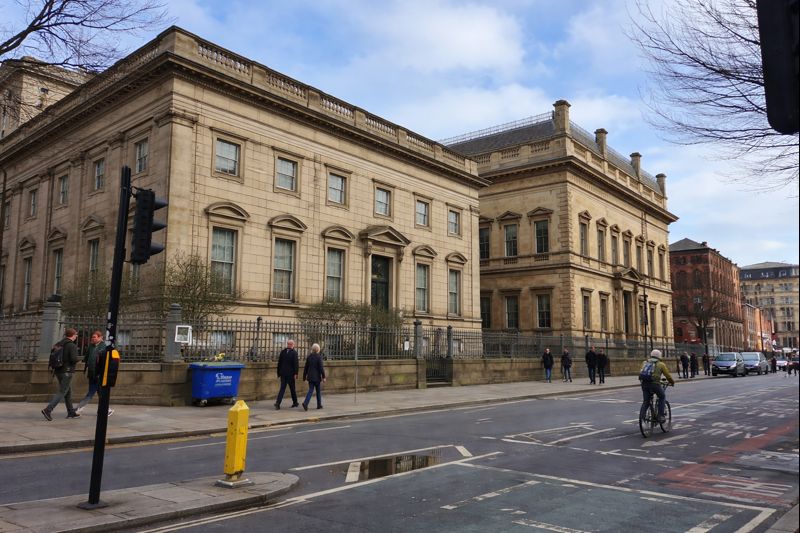
Both of Barry’s edifices hold listed status. The connector building was conceived by Hopkins Architects after an architectural competition organized by RIBA Competitions. It commenced operations in 2002 after undergoing an extensive renovation and expansion initiative executed by the art gallery.
It is a long established fact that a reader will be distracted by the readable content of a page when looking at its layout.
1. Manchester United Museum at Old Trafford Stadium
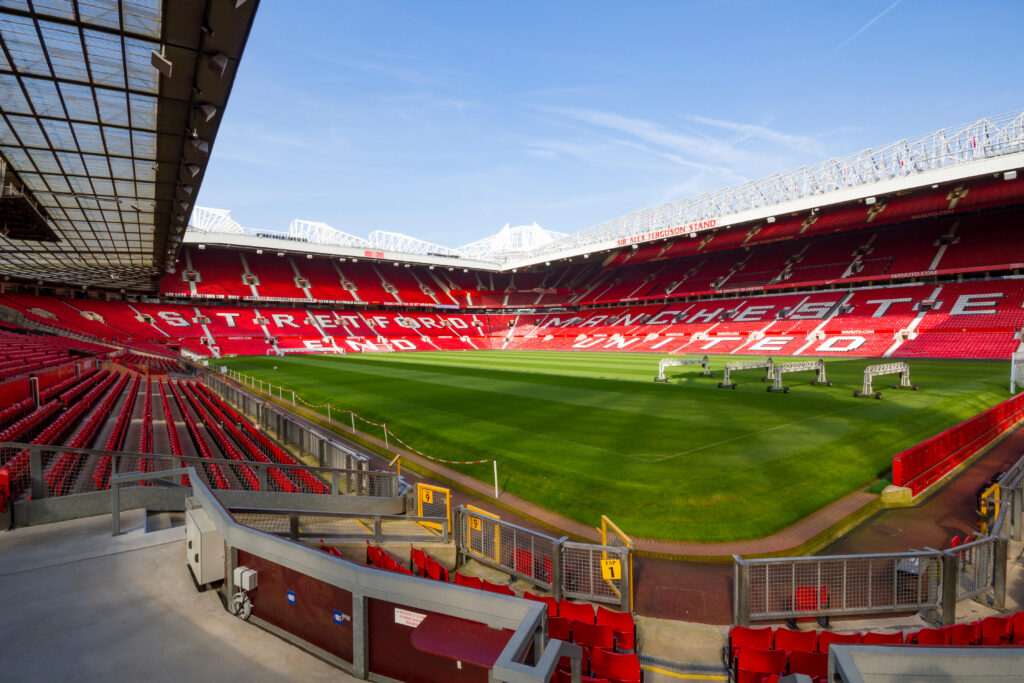
The Manchester United football club, established in 1878, enjoys a storied reputation, and its brand is recognized around the globe. Consequently, a visit to its historic venue of Old Trafford is an essential activity. It stands out as one of the premier attractions in Manchester, appealing to both football enthusiasts and casual visitors.
It is a long established fact that a reader will be distracted by the readable content of a page when looking at its layout.
A behind-the-scenes stadium tour provides an opportunity to traverse the legendary players’ tunnel, which has been traversed by icons like David Beckham and Ronaldo, and glimpse into their dressing rooms. Additionally, visitors can occupy the manager’s seat in the dugout, explore the press area, and visit the VIP suite.
The museum delves into the club’s illustrious history, showcasing trophy exhibitions, honoring former player George Best, displaying kits from various eras, and offering a virtual conversation with Sir Alex Ferguson, arguably the team’s most remarkable manager.
2. Etihad Stadium: Manchester City
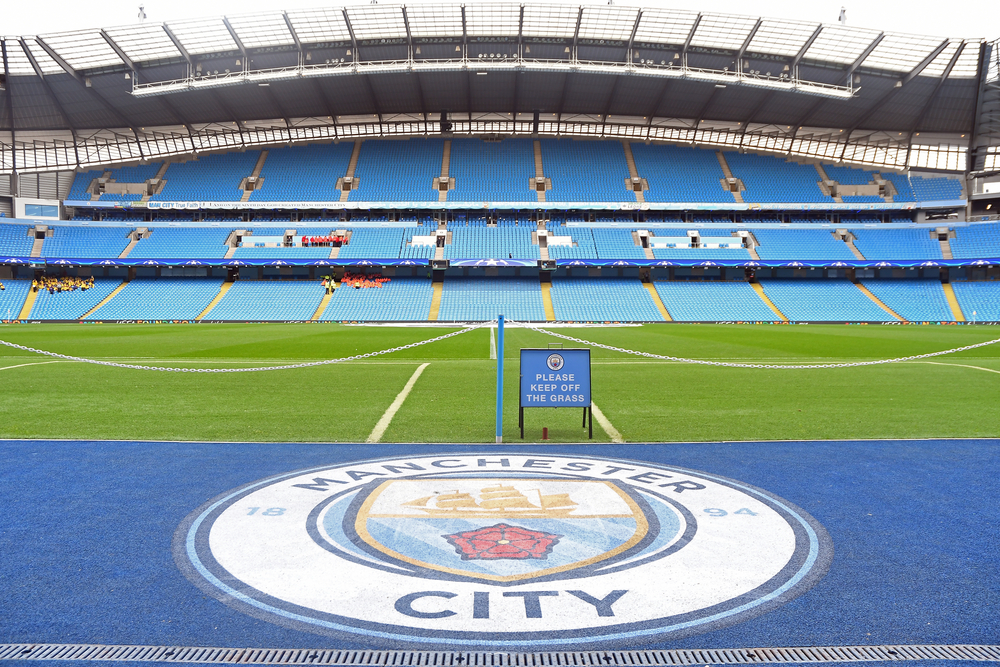
Etihad Stadium serves as the home ground for the Manchester City football club. Established in 1880, this club is the more recent of the two Manchester teams. While historically overshadowed by Manchester United, the acquisition of numerous top-tier players has significantly improved its standing!
The stadium’s current designation is derived from its sponsor, Etihad Airways. It is a remarkable venue with the capacity to accommodate 53,400 spectators. A few years prior, Etihad Stadium was also recognized as the best stadium globally.
Positioned to the east of the urban core, the Manchester City stadium offers an intriguing experience for visitors. Participating in a stadium tour provides a genuine understanding of what it is like for players to live the life of a professional footballer. Guests have the opportunity to stroll through the glass players’ tunnel leading onto the pitch, explore the locker rooms, and admire the trophy collection.
Additionally, one can engage in a virtual conversation in the press room with Pep Guardiola, the current manager of the club, and receive a keepsake photograph from the experience.
3. John Rylands Library
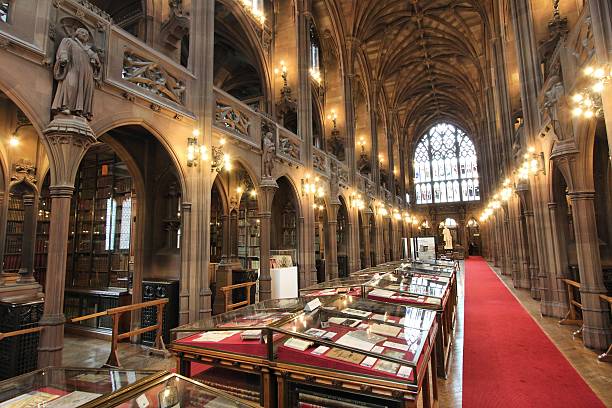
Nestled in a neo-Gothic structure from the late Victorian era, located on Deansgate in the heart of the city, John Rylands Library does not resemble a conventional library, except for its array of bookshelves.
Upon entering, it feels akin to stepping into a magnificent cathedral, characterized by its impressive vaulted ceilings and striking tall windows.
Founded in 1889, John Rylands Library boasts an intriguing background. It was among the pioneering structures in Manchester to utilize electric lighting. Its advanced heating and ventilation systems were also quite sophisticated for its era, intended to shield its collections from the soot and impurities present in industrial Manchester.
In spite of its aesthetic appeal and historical importance, this institution remains a fully functioning library and, in 1972, became part of the University of Manchester. It houses some of the most significant manuscripts and texts ever produced, including the oldest known fragment of the New Testament and the 1476 edition of Chaucer’s Canterbury Tales by William Caxton. Moreover, it ranks as one of five National Research Libraries within the United Kingdom.
4. City Center Walking Tours
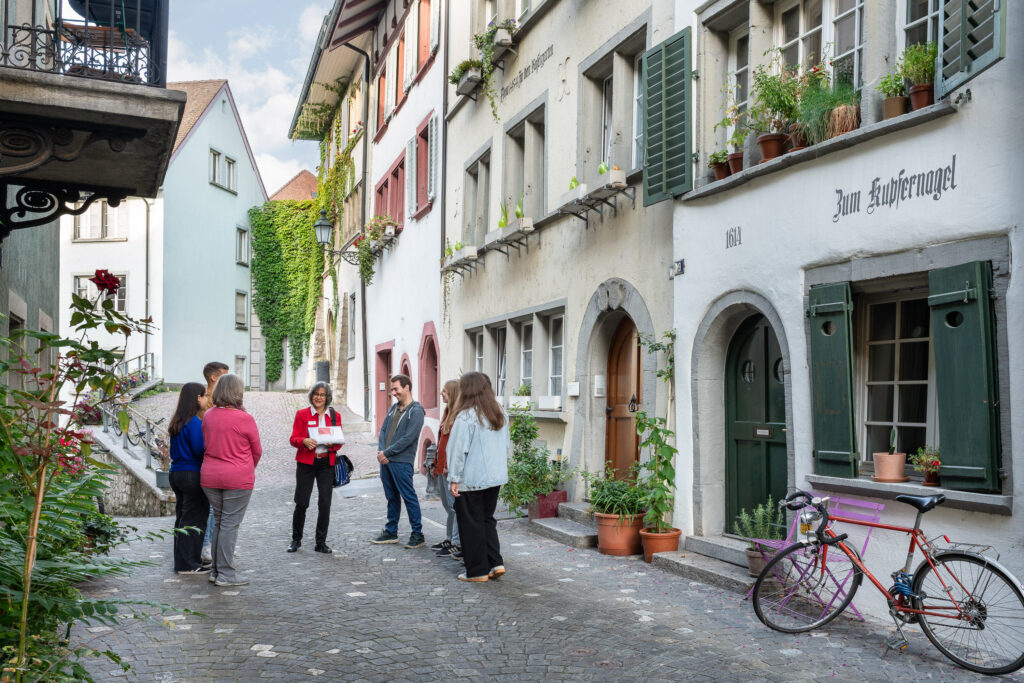
There are numerous captivating sites to visit within the Manchester city center, too many to list comprehensively here. Thus, one of the most enjoyable experiences in Manchester is to stroll around the central area. Be sure to visit locations such as Piccadilly Gardens, Chinatown, Royal Exchange Theatre, Albert Hall, and City Hall, among others.
SUGGESTION: One of the finest methods to discover the key attractions in Manchester’s city center is by participating in a walking tour led by a local guide. This approach not only allows you to view the main landmarks but also lesser-known gems, providing a genuine glimpse of Manchester within just a few hours.
5. Manchester Cathedral
Boasting a history spanning over 600 years, Manchester Cathedral is an essential destination within the city. It serves as the principal church for the Anglican Diocese of Manchester and possesses an impressive exterior. However, the interior of the Cathedral is an experience that should definitely be included in your Manchester itinerary.
Situated on Victoria Street in the city’s core, Manchester Cathedral feels like a sanctuary amid the bustling town center. The calmness encountered upon entry presents a stark contrast to the vibrant activity of the streets surrounding Manchester. This location offers a perfect opportunity to pause and admire the exquisite neo-Gothic architecture.
Whilst Manchester Cathedral is much smaller than the likes of Canterbury or Lincoln, it has some stunning features. Its stained glass windows are extraordinarily beautiful and it has some of the north of England’s very best late-medieval woodwork, with a very ornate ceiling. It’s also believed to have the widest nave of any English cathedral.
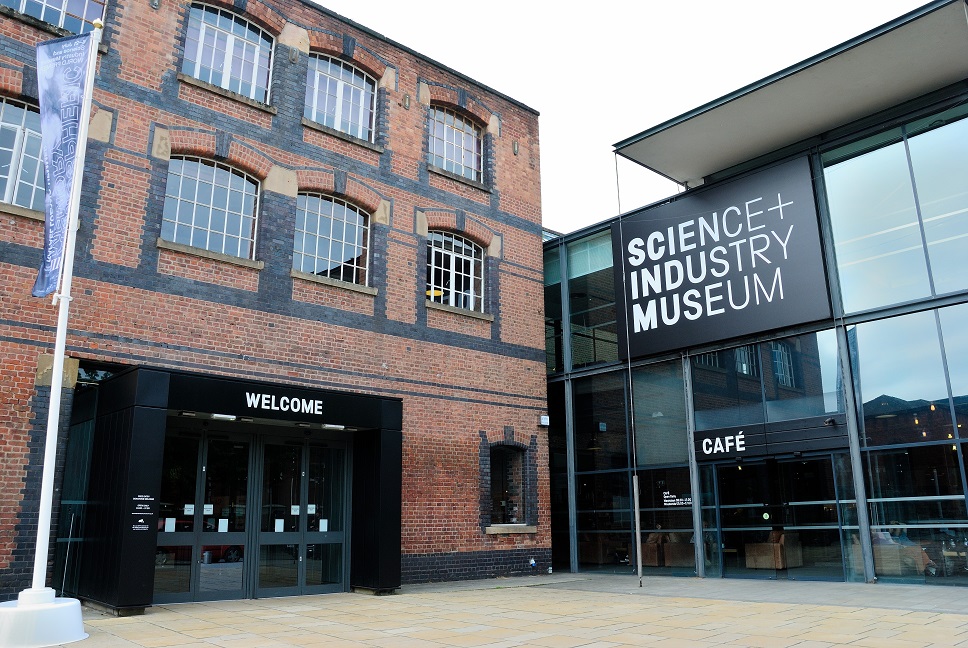
6. Science and Industry Museum
The Science and Industry Museum is the most popular museum in Manchester.
The focus of this fun and fascinating museum is Manchester’s industrial history. It brings the past beautifully – and sometimes noisily – to life.
Step into the Textiles Gallery and you are instantly transported back to when the city was the international center of the world’s cotton industry. As the noise of the vintage, steam-powered machines thunders around you, you can get a real sense of just how difficult the cotton factories were to work in.
The ‘Experiment’ gallery, meanwhile, is filled with interesting and interactive exhibits designed to make science fun and engaging. This section is especially popular with children!
There is also a big emphasis on transport at this museum. Indeed, it was built on the site of the Manchester terminus of the world’s first purpose-built passenger railway. You can still see the world’s oldest surviving passenger railway station – and its first railway goods warehouse – here today!
Steam enthusiasts will love some of the colorful and historic engines on display in the railway warehouse just across the cobbled yard from the main building.
Located in the city center, the museum is free to enter, although donations are welcome and there is sometimes a charge to enter the temporary exhibitions.
7. National Football Museum
Returning to the theme of football, the next destination worth exploring in Manchester is the National Football Museum. This establishment is recognized as the largest museum globally that is dedicated entirely to the sport and its historical background.
Regardless of your interest level in football, it is genuinely captivating to witness the evolution of the game into one of the most cherished sports worldwide. Numerous exhibits delve into the cultural significance of the game as well as its social context.
There is an abundance of attractions to discover! From prominent trophies and kits to numerous engaging interactive games suitable for both children and adults. Make sure to participate in interactive challenges such as the Penalty Shootout.
Ensure you participate in the Match Of The Day Commentary Challenge, where you can attempt to commentate on the gameplay as you observe it or follow along with the autocue. You will soon find that it is not as straightforward as professional commentators make it appear!
8. Manchester River Cruises Boat Trips
Embarking on a river cruise provides a unique opportunity to view Manchester from an alternative perspective. Enjoy the onboard narration while taking in landmarks such as the Victoria and Albert Hotel, George Stephenson’s 1830 Railway bridge, and the BBC TV studios.
Although it is pleasant to relax on the top deck and appreciate the scenery, England’s unpredictable weather may lead you to prefer the comfort of the completely enclosed lower deck. A small bar is available for refreshments, and the commentary offers insightful information regarding Manchester’s history.
The cruises vary in duration, with various options available depending on the season. The most sought-after ones are the 1- or 2-hour city center cruises, which typically operate from April to September. Additionally, during the summer months, there are half-day excursions to Ellesmere Port in Cheshire that include a return journey by coach.
These sightseeing cruises commence from Salford Quays, Manchester’s distinctive waterfront area, which is just 15 minutes away by tram from the city center.
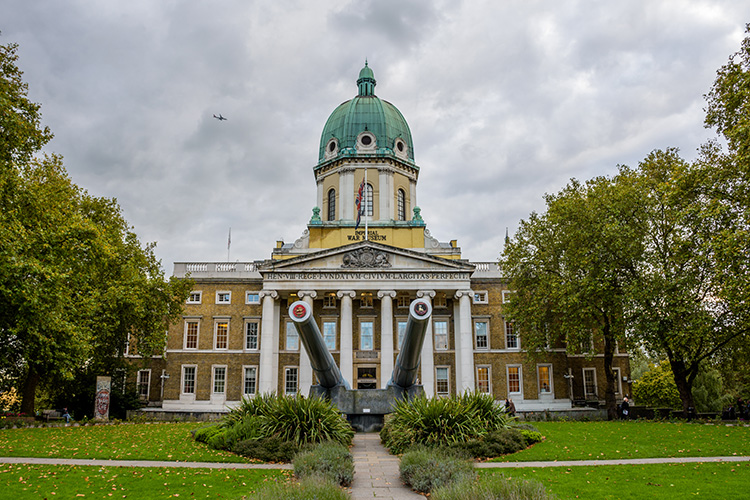
9. Imperial War Museum North
Imperial War Museum North is one of five branches belonging to the Imperial War Museums, marking the first establishment in the northern region of England. The museum is situated in a uniquely designed, attention-grabbing structure intended to symbolize a fragmented globe and is notably constructed on a former bomb site.
Featuring over 2,000 artifacts, the museum chronicles various conflicts throughout history. Visitors can observe weaponry from World War I up to the twisted steel remnants salvaged from the ruins of New York’s World Trade Center.
The immersive experience offered by the 360° cinematic Big Picture Shows is unparalleled. You are enveloped by the images and voices of those affected by war, rendering the narratives far more vivid than anything found in textbooks.e manner in which the narratives of ordinary individuals who endured these events are conveyed.
10. Manchester Art Gallery
Situated in the city center, Manchester Art Gallery boasts thousands of exceptional exhibits. Visitors can easily devote several hours to exploring the wide array of offerings.
The building that contains the Gallery is a remarkable architectural achievement and is listed as Grade I. Designed in the elegant Greek Ionic style, it now features a glass walkway that connects it to a contemporary extension.
The Gallery is particularly renowned for its collection of Pre-Raphaelite artworks, as well as pieces from 19th-century British artists. However, one can discover a multitude of intriguing artworks that span various centuries and regions.
The decorative arts collection is particularly captivating, showcasing artifacts that illustrate techniques from ancient cultures through to modern times. In addition, there is a constantly changing array of temporary exhibitions. The Gallery also provides numerous interactive displays and workshops designed for children to enjoy.